
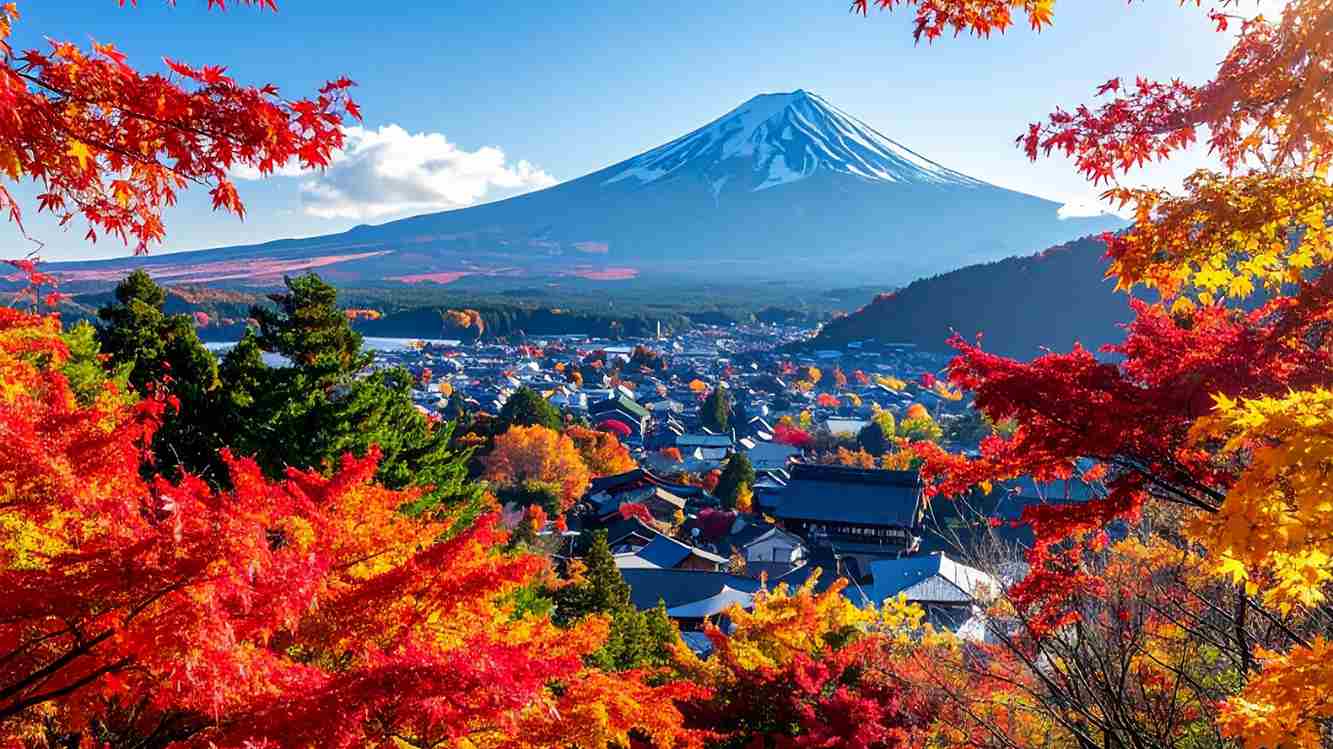
I don’t know how to explain this in a “normal travel-blogger way,” so I’ll just say it the way it actually feels inside my heart: Japan hits you differently, and that’s exactly why I wanted to write this honest 10 day Japan itinerary that feels more human than perfect.
And trust me, I’m not someone who gets impressed easily. But something about Japan, the quiet train rides, the warm bowls of ramen, the temples that make you forget your own thoughts, and the way people move with this gentle care, makes your whole chest feel full.
If you’re planning your 10 day Japan itinerary, maybe you’re also like me. Maybe life feels heavy, confusing, or like everything you’ve been trying is taking forever to work.
Maybe you just need a break, a real one, the kind where you step into a world that isn’t rushing you or judging you. Japan became that world for me.
This guide is my messy, honest, emotional, diary-style story that I wish had existed when I planned my first trip. Everything here is something I actually felt, walked, ate, and cried about (in a nice way, not the sad way).
This 10 day Japan itinerary is built for first-timers coming from the US, UK, Canada, or anywhere in the West.
It covers the best places to visit in Japan, the important things to do in Tokyo, Kyoto, Nara, and Osaka, plus real-life tips about using the JR Pass, pocket wifi Japan, how much does a trip to Japan cost, and small lifesaving things like an eSIM for Japan, so you don’t get hopelessly lost like I did.
Japan is a dream. And after this trip, it might become your dream too.
Before You Go: The Japan Basics Nobody Tells You
Before we get into the daily breakdown of this 10 day Japan itinerary, here are the things I wish someone had whispered into my ears before I flew to Tokyo.
How much does a trip to Japan cost?
It honestly depends on how wild you go. Japan CAN be expensive, but it can also be peaceful and affordable if you’re not grabbing every cute thing you see.
Here’s my actual spending:
- Accommodation: $100 to $140/night
- Food: $25 to $45/day
- Coffee: $4 to $6 (worth every sip)
- JR Pass or train tickets: $220 to $280
- Temples & attractions: $2 to $15
Japan is cheaper than Europe for a traveler who plans a little, but it’s dangerous if you love cute shops.
Best time to go to Japan
Japan is beautiful every month, but two seasons feel unreal:
- March–April → cherry blossoms
- October–November → autumn leaves
Winter is crisp and beautiful, too. Mt. Fuji looks extra clear between December and February.
Pocket WiFi Japan OR eSIM for Japan?
Please, please don’t come to Japan without internet.
Tokyo train stations are emotionally damaged. Osaka streets love repeating themselves. Kyoto lanes twist like noodles.
Use ONE of these:
- Pocket WiFi Japan → groups
- eSIM for Japan → solo travelers
I used eSIM and survived like a champion. Without it, I’d still be standing confused somewhere in Shinjuku Station.
Your 10 Day Japan Itinerary Diary-Style & Emotional
Everything you’re about to read comes from my real steps, real moments, and real mistakes. I hope you feel the magic I felt.
Day 1–3: Tokyo (Chaos + Peace + Neon Emotions)
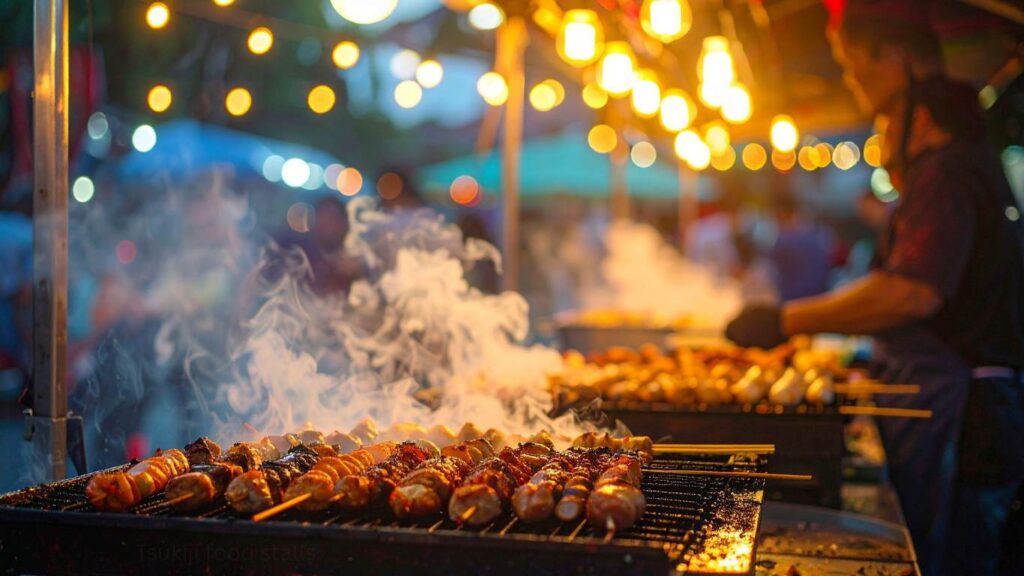
Tokyo is loud, bright, confusing, magical, gentle, and emotional all at once. It’s the best starting point for your 10 day Japan itinerary because the moment you take your first step into Shibuya, your whole mind whispers, “Wow… I’m really here.”
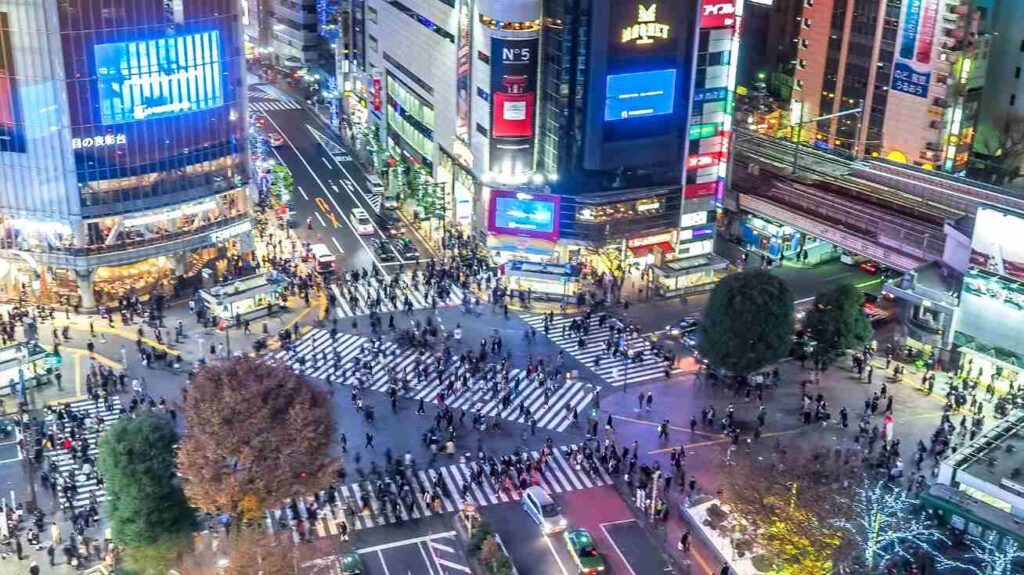
Tsukiji Outer Market
If you love food even a little bit, Tsukiji will ruin your life in the best way. I arrived at 6:30 am with messy hair and sleepy eyes, but the smell of grilled scallops and tamagoyaki instantly woke my soul.
People say the fish market moved, but THIS outer market is still alive, loud, warm, and full of street food joy.
I ate a tuna bowl so fresh I almost felt emotional. Then I tried hot tamagoyaki on a stick. Then the strawberries were so sweet, I swear they tasted like candy.
Everyone should start in Japan with a half breakfast, half spiritual awakening.
Sensoji Temple Tokyo
Sensoji is where Tokyo slows down. You can literally feel the air change the moment you enter the gate. Smoke, prayers, bright red lanterns, omikuji fortunes, it’s all overwhelming in a beautiful way. And yes, I absolutely held the incense smoke over my head because they say it brings good luck. Goodness knows I needed that.
If you want that classic, timeless Japan moment, this is where you’ll find it.
Golden Gai Tokyo
Golden Gai is like stepping into a movie scene you didn’t know you were missing. Tiny bars with only 5–8 seats, dim lights spilling into narrow alleys, soft chatting, laughter, neon reflections on wet pavement… It’s an atmosphere you cannot recreate anywhere else.
I didn’t even drink; I just walked, stared, and let the city wrap around me.
Imperial Palace Tokyo
After the chaos of Shibuya and Shinjuku, the Imperial Palace feels like a breath your mind needed but didn’t know how to ask for. Huge trees, calm water, historical stones, quiet. Walk slowly here. Let your mind reset.
Tokyo Itinerary Breakdown
Here’s how I recommend doing your first three days:
Day 1: Shibuya → Meiji Shrine → Harajuku → Shinjuku
Day 2: Sensoji → Ueno Park → Akihabara → Tokyo Skytree
Day 3: Tsukiji → Ginza → Shibuya Sky → Golden Gai
Tokyo alone could be its own 10 day trip, but don’t worry you’ll get a taste of everything.
Day 4–6: Kyoto (History, Temples, and Your Soft Heart)
Kyoto is honestly one of those places that grabs you gently by the heart the moment you step out of the station. If Tokyo is neon chaos and excitement, Kyoto is like a soft exhale.
It’s slower, older, wiser, the kind of place that makes you temporarily forget your phone, your to-do lists, stress, and everything else screaming inside your head.
The air feels different, with the streets sounding lighter. And you walk around feeling like you’re wandering inside a storybook that has existed for centuries before you and will continue long after you leave.
That’s exactly why your 10 day Japan itinerary wouldn’t even make sense without Kyoto. You need this balance, the city that holds your adrenaline, and the city that holds your emotions.
Fushimi Inari Shrine
The first time I saw the torii gates of Fushimi Inari, I actually froze for a moment because it didn’t feel real. You know those scenes in anime where the main character walks into a glowing red pathway and everything becomes quiet? It literally feels like that.
The gates just keep going row after row after row like a never-ending tunnel of soft orange light guiding you through the mountain.
I went early, before the crowds, and even then, there were people moving slowly, quietly, almost respectfully, like they were walking through their own memories. With every step, the city noise fades until all you hear is your own breathing and the gentle sounds of the trees.
And honestly, something about that silence hits hard. It’s like the mountain hugs you. You start thinking about your life, your choices, your mistakes, your dreams, everything. This is not just a tourist spot but a spiritual experience as well.
Kiyomizu-dera
Kiyomizu-dera isn’t just a temple. It feels like a giant wooden balcony hanging between heaven and earth. Walking up the hill, you’ll pass little shops, old houses, tiny snack stalls, and then suddenly… the whole city of Kyoto opens up in front of you.
The view from Kiyomizu-dera is something I will never forget. The wind was strong that day, the kind that makes your hair messy and your heart a little softer. And when I stepped onto the wooden deck, it genuinely felt like everything around me paused like the temple wanted me to stand still for a moment and breathe.
The temple is huge, with different paths and little corners where you can sit, gaze, think, or simply feel the weight of centuries of history around you.
It’s peaceful and powerful at the same time, a kind of peace you don’t get often in modern life.
Higashiyama + Ninenzaka + Sannenzaka
If you’ve ever imagined “traditional Japan,” this is EXACTLY it. These streets look like they were pulled straight out of a Studio Ghibli movie.
Wooden houses with old slanted roofs, tiny dessert shops selling warm mochi and matcha treats, little boutiques with handcrafted items, soft music coming out of hidden tea houses, everything feels romantic and alive.
There’s this softness in the air, like everyone walking here is secretly happy inside.
I bought matcha ice cream from a shop near Ninenzaka and walked slowly, passing families taking photos, couples wearing rented kimonos, little kids chasing pigeons, and travelers like me who kept stopping every two minutes because “omg this corner is TOO cute.”
It’s one of those places where you don’t rush. You just wander and let the streets tell their stories.
Arashiyama Bamboo Forest
Arashiyama hit my heart in a way I wasn’t prepared for. Early morning, the bamboo was glowing softly as the sun rose behind it, and there was this magical, almost surreal sound when the wind passed through the tall stalks.
It was like the forest was whispering a soft rustling that felt calmer than any meditation app I’ve ever tried.
Walking through Arashiyama feels like walking inside nature’s cathedral. The towering bamboo makes you feel tiny in the best possible way, like the world is bigger and more beautiful than the problems running through your mind.
And when you step out of the forest into the open river area with the mountains in the background, the whole scene feels like a painting.
If you visit only one nature spot in Kyoto, let it be this.
Kyoto Itinerary Breakdown
Here’s a simple but perfect flow for your 10 day Japan itinerary:
Day 4: Travel from Tokyo → Check into Kyoto → Explore Gion’s lantern-lit alleyways
Day 5: Fushimi Inari → Kiyomizu-dera → Slowly wander Higashiyama streets
Day 6: Arashiyama Bamboo Forest → Monkey Park → Long walk by the Katsura River
Kyoto isn’t the place for speed. It’s the place where you let your heart breathe.
Day 7: Nara (The Gentle City With Bowing Deer)
Nara is the kind of place that surprises you with its warmth. The moment I stepped out of the station, everything felt calmer, like someone turned the volume down on the entire world.
And then I saw them. The deer. Walking around like they own the town, but also with this soft, polite energy that makes you fall in love instantly.
I’m not kidding, they BOW.
Like, actual, cute little bows when they see you holding deer crackers. I gave one deer a cracker, and when it bowed, my heart literally melted into a puddle.
They’re gentle, friendly, and somehow incredibly dignified, like they know Nara was once Japan’s first capital and they’re the ancient guardians.
Todai-ji Temple (Giant Buddha)
This place feels holy before you even walk in. Todai-ji is one of the biggest wooden structures in the world, and inside is an enormous bronze Buddha statue that left me speechless.
I’m someone who talks a lot, but when I saw it, I just stood there quietly, taking in the size, detail, and the presence.
It’s one of those rare places where everyone, even loud kids, suddenly becomes quiet.
Kasuga Taisha Shrine
Beautiful bright-orange pillars, lanterns hanging everywhere, and a soft walkway through a forest path. This shrine feels like nature and spirituality blended into one.
Nara Park
This whole park is basically a deer paradise. Trees, open fields, peaceful paths, and deer casually walking past you like gentle locals. Take your time here. Sit under a tree. Breathe. Enjoy life.
Nara is simple, but it leaves a big memory in your heart.
Osaka Itinerary Breakdown (Days 8–10)
If you’re following this 10 day Japan itinerary, the last three days in Osaka will be your “fun and food” part of the journey. This is where everything becomes warm, bright, delicious, and a little chaotic in the best way.
Osaka is easy to explore, and these three days blend culture, food, photography spots, and late-night energy perfectly.
Day 8–10: Osaka (Food, Lights, Chaos, Comfort)
Osaka is where you refuel your soul after a full week of travel. It completes your 10 day Japan itinerary in the most delicious way.
If Tokyo feels polished and perfect, Osaka feels warm and real. People laugh louder. The food is richer. The streets feel more “come as you are.” It’s the kind of place where you can walk around with messy hair and nobody cares.
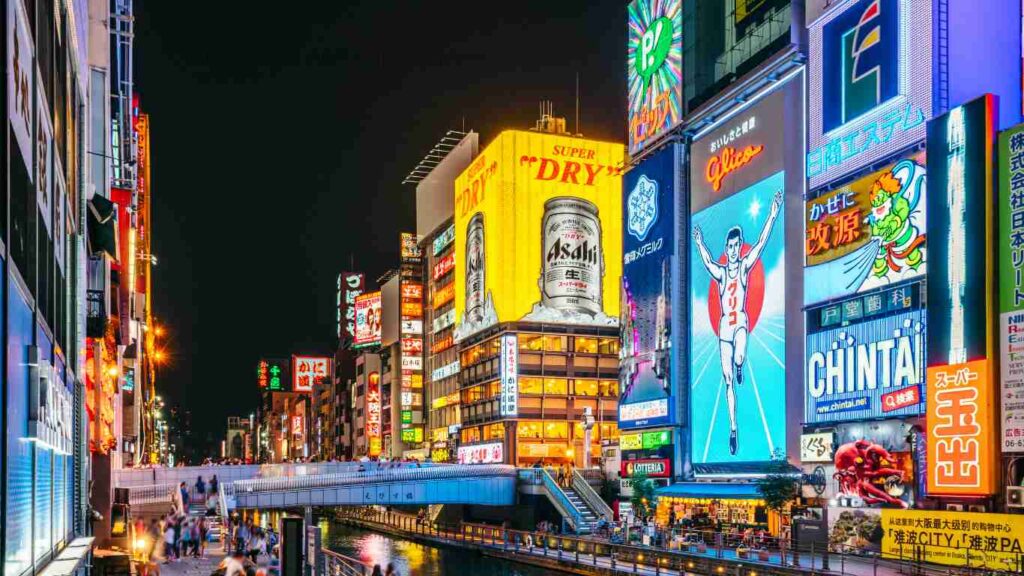
Osaka brings back your energy right when you need it.
Osaka Castle
This place is majestic. You can see it from far away: tall and powerful, framed by wide gardens and trees that look magical in both autumn and spring. I spent almost two hours walking the grounds because every angle felt postcard-perfect.
Families picnicking on the grass, travelers taking photos, kids running with snacks, the atmosphere is so wholesome.
Inside the castle, there’s a museum, but honestly, the outside + gardens are the real magic.
Dotonbori
Okay, let me say this honestly: Dotonbori is WILD. And I love it.
This is where Osaka explodes into neon life. Giant crab signs moving, sizzling takoyaki stands, ramen shops shouting happily, crazy lights reflecting on the river, the whole place feels alive at night. I tried takoyaki here, burned my tongue immediately, and STILL went back for more because it was so good.
You WILL overeat here. It’s part of the experience.
Shinsekai + Tsutenkaku Tower
Retro Japan at its finest. Colorful signs, old-school shops, nostalgic vibes everywhere. If you love photography, this area will eat you alive (in a good way).
There’s something incredibly charming about Shinsekai; it feels like stepping back into a 1960s Japanese postcard.
The tower gives a great view, but honestly… the streets below are the real beauty.
Final Thoughts: Japan Changes You
When I finished my own 10 day Japan itinerary, I remember sitting at Kansai Airport holding a warm can of milk coffee from a vending machine, staring at nothing… and feeling everything. Japan does that. It softens you. It makes you hopeful.
It gives your mind a break from all the noise you’ve been carrying.
You come back home as a slightly better version of yourself, calmer, kinder, lighter.
And I hope your trip does the same for you.
FAQs 10 Day Japan Itinerary
1. Is 10 days enough for Japan?
Yes, 10 days is enough to experience the core cities like Tokyo, Kyoto, Nara, and Osaka. You won’t see everything, but you’ll fall deeply in love with the country.
2. How much does a 10 day trip to Japan cost?
Budget travelers: $1,800–$2,200
Mid-range: $2,500–$3,500
Luxury: as much as you want
Japan lets you customize your experience.
3. Do I really need a JR Pass?
If you’re following this 10 day Japan itinerary, the JR Pass usually saves money. Especially if you travel to Tokyo → Kyoto → Osaka → back.
4. Is Japan safe for solo travelers?
Yes, Japan is one of the safest countries in the world. Solo travel feels peaceful here.
5. Do people speak English in Japan?
Not everywhere, but signs + Google Translate will save you. People are kind and always try to help.
6. Should I use cash or a card?
Both work, but keep some Yen because small shops and shrines sometimes prefer cash.
7. Pocket WiFi or Japan eSIM?
Either is fine, just don’t come without internet. It’s your travel lifeline.
Some of the links in this post are affiliate links. If you book a tour or buy through them, I may earn a small commission — at no extra cost to you. This helps keep SoloTravelPath running and full of free travel guides. Read more here.